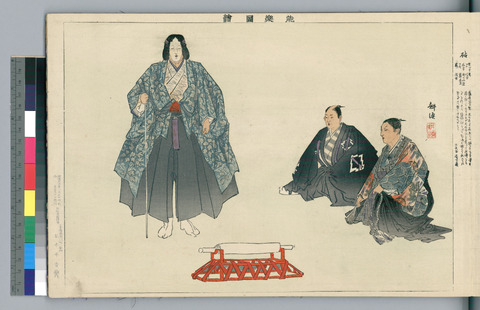
[The Lady Ashiya] Ashiya no Nanigashi no Tsuma (芦屋の某の妻)
Play: Kinuta (砧)
Print Date: 08/10/98
Artist: Tsukioka Kôgyo (月岡耕漁)
Series: [Picture of Noh Plays] Nôgaku Zue (能楽図絵) [#78]
Image courtesy of the University of Pittsburgh
KINUTA
(砧)
[The Lady Ashiya] Ashiya no Nanigashi no Tsuma
(芦屋の某の妻)
Play: Kinuta (砧)
Print Date: 08/10/98
Artist: Tsukioka Kôgyo (月岡耕漁)
Series: [Picture of Noh Plays] Nôgaku Zue (能楽図絵) [#78]
Image courtesy of the University of Pittsburgh
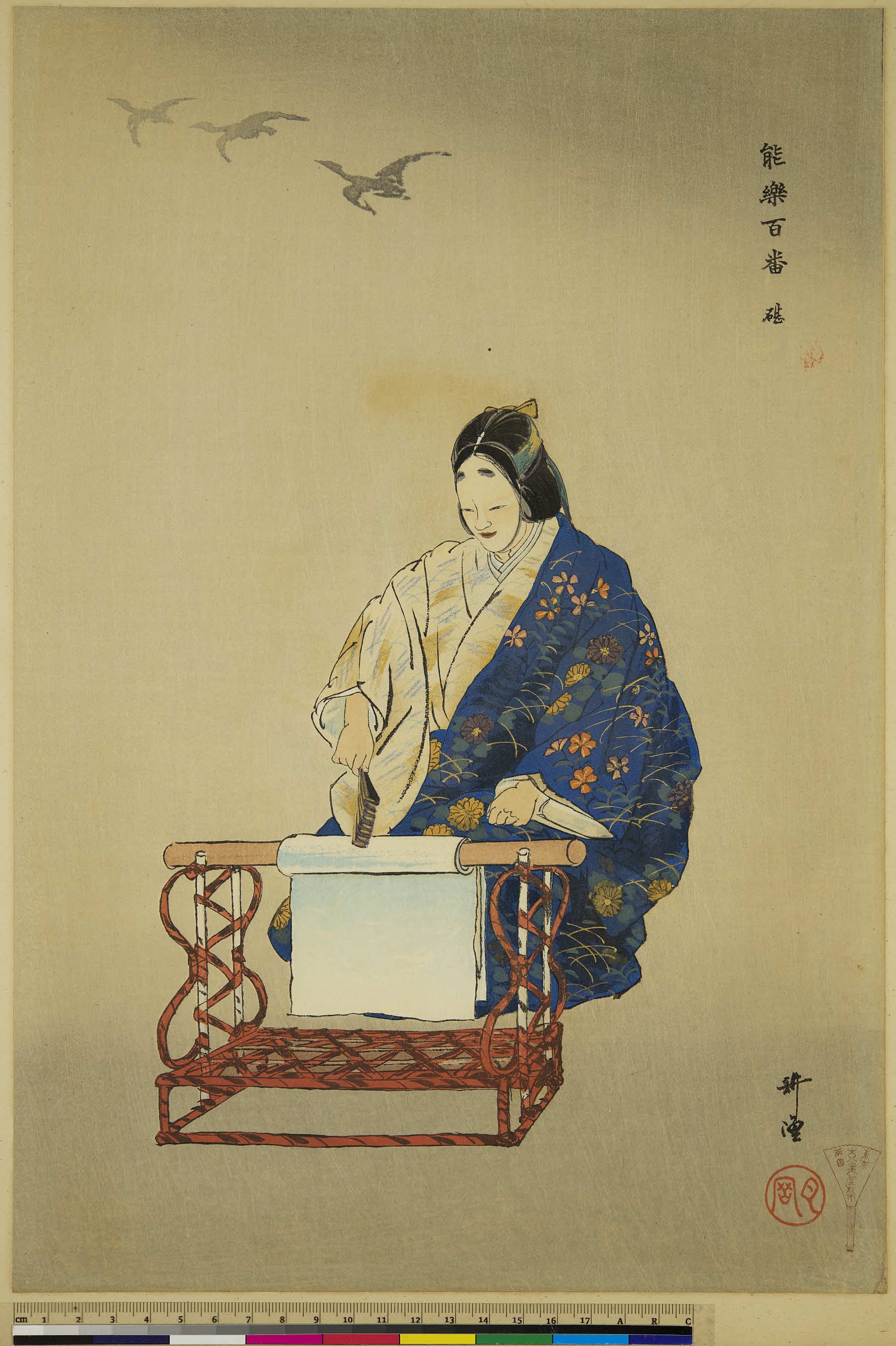
[The Lady Ashiya]
Ashiya no Nanigashi no Tsuma
(芦屋の某の妻)
Play: Kinuta (砧)
Print Date: 10/1922
Artist: Tsukioka Kôgyo (月岡耕漁)
Series: [One Hundred Nô Plays]
Nôgaku Hyakuban (能楽百番) [#10]
*Image courtesy of the Art Research Center,
Ritsumeikan University
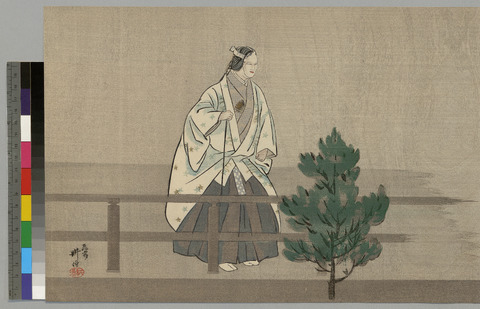
[Ghost of the Wife of the Man from Ashiya]
Ashiya no Nanigashi no Tsuma no Bôrei
(芦屋の某の妻の亡霊)
Play: Kinuta (砧)
Print Date: 07/05/1925
Artist: Tsukioka Kôgyo (月岡耕漁)
Series: [A Great Mirror of Nô Pictures] Nôga Taikan (能画大鑑), Vol.
2, #38
Image courtesy of the University of Pittsburgh

[Lady Ashiya] Ashiya no Nanigashi no Tsuma (芦屋の某の妻)
Play: Kinuta (砧)
Date: ?
Artist: Terada Akitoyo (寺田秋豊)
Image courtesy of Artelino.com
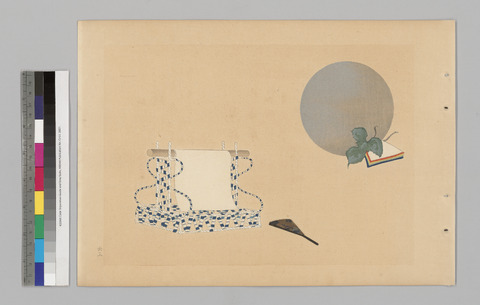
Play: Kinuta (碪)
Print Date: 1924
Artist: Yamaguchi Ryôshû (山口蓼洲)
Series: [List of Noh Play Equipment)] Nôgu Taikan (能具大鑑) #63
Image courtesy of the University of Pittsburgh
Note: Kanze school. Tsukurimono: Kinuta (a fulling board for
beating cloth). Mochimono: Fan. Top
right circle depicts the moon. It says in the play, "The Orihime
(weaving girl) can meet her lover,
Hikoboshi (goat herd) only one night at Tanabata."
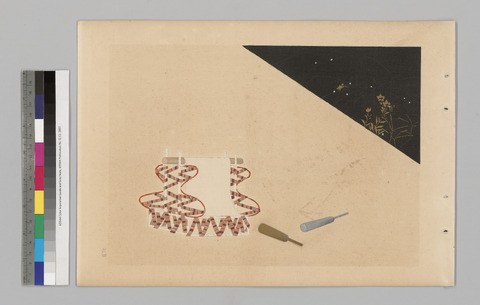
Play: Kinuta (碪)
Print Date: 1924
Artist: Yamaguchi Ryôshû (山口蓼洲)
Series: [List of Noh Play Equipment)] Nôgu Taikan (能具大鑑) #64
Image courtesy of the University of Pittsburgh
Note: Kongô school. Tsukurimono: Unlike Kanze school, Kongô school
uses gold and silver beaters
to beat kinuta. Background depicts a rustic atmosphere in Fall.
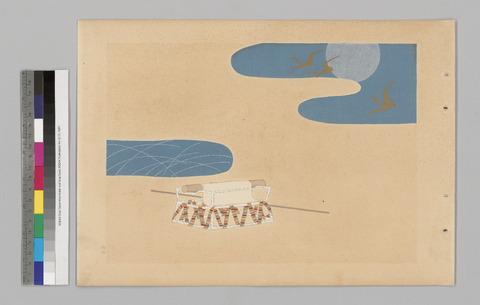
Play: Kinuta (碪)
Print Date: 1924
Artist: Yamaguchi Ryôshû (山口蓼洲)
Series: [List of Noh Play Equipment)] Nôgu Taikan (能具大鑑) #62
Image courtesy of the University of Pittsburgh
Note: Tsukurimono: Kinuta (a fulling board for beating cloth). The
shape of this kinuta is specific to the
Hôshô school. Mochimono: Takezue, a bamboo stick for Nochi-shite.
Unsui (cloud and water): It says
in the play, "The moonlight, the wind-torn landscape, even the
frost illuminated by the light of the moon,
all blend with the sound of the kinuta when I strike the kinuta to
assuage my lonely heart."