ATAKA
(安宅)
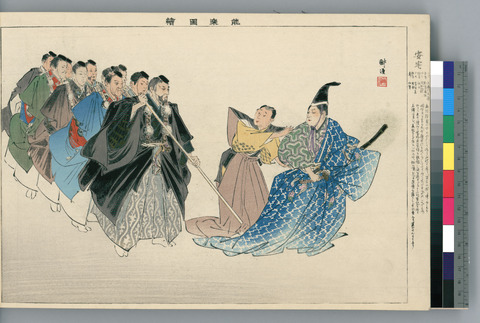
Minamoto no Yoshitsune (源義経)
Musashibô Benkei (武蔵坊弁慶)
Togashi's Vassal]
Togashi no Kashin (富樫の家臣)
Togashi (富樫)
Play: Ataka (安宅)
Print Date: 10/05/97
Artist: Tsukioka Kôgyo (月岡耕漁)
Series: [Picture of Noh Plays] Nôgaku Zue (能楽図絵) [#21]
Image courtesy of the University of Pittsburgh
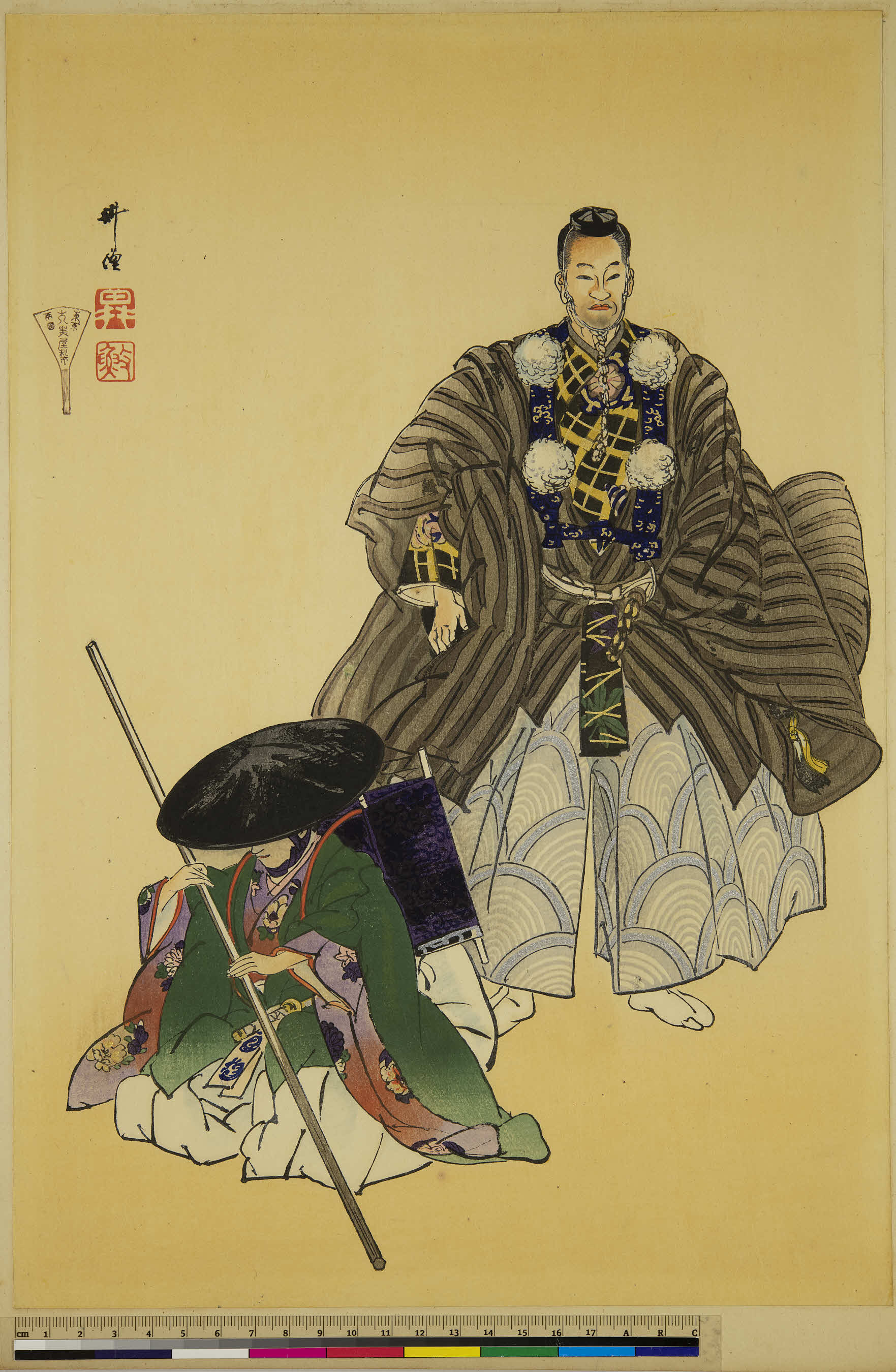
Minamoto no Yoshitsune (源義経)
Musashibô Benkei (武蔵坊弁慶)
Play: Ataka (安宅)
Print Date: 09/1922
Artist: Tsukioka Kôgyo (月岡耕漁)
Series: [One Hundred Nô Plays]
Nôgaku Hyakuban (能楽百番) [#7-8]
*Image courtesy of the Art Research Center,
Ritsumeikan University
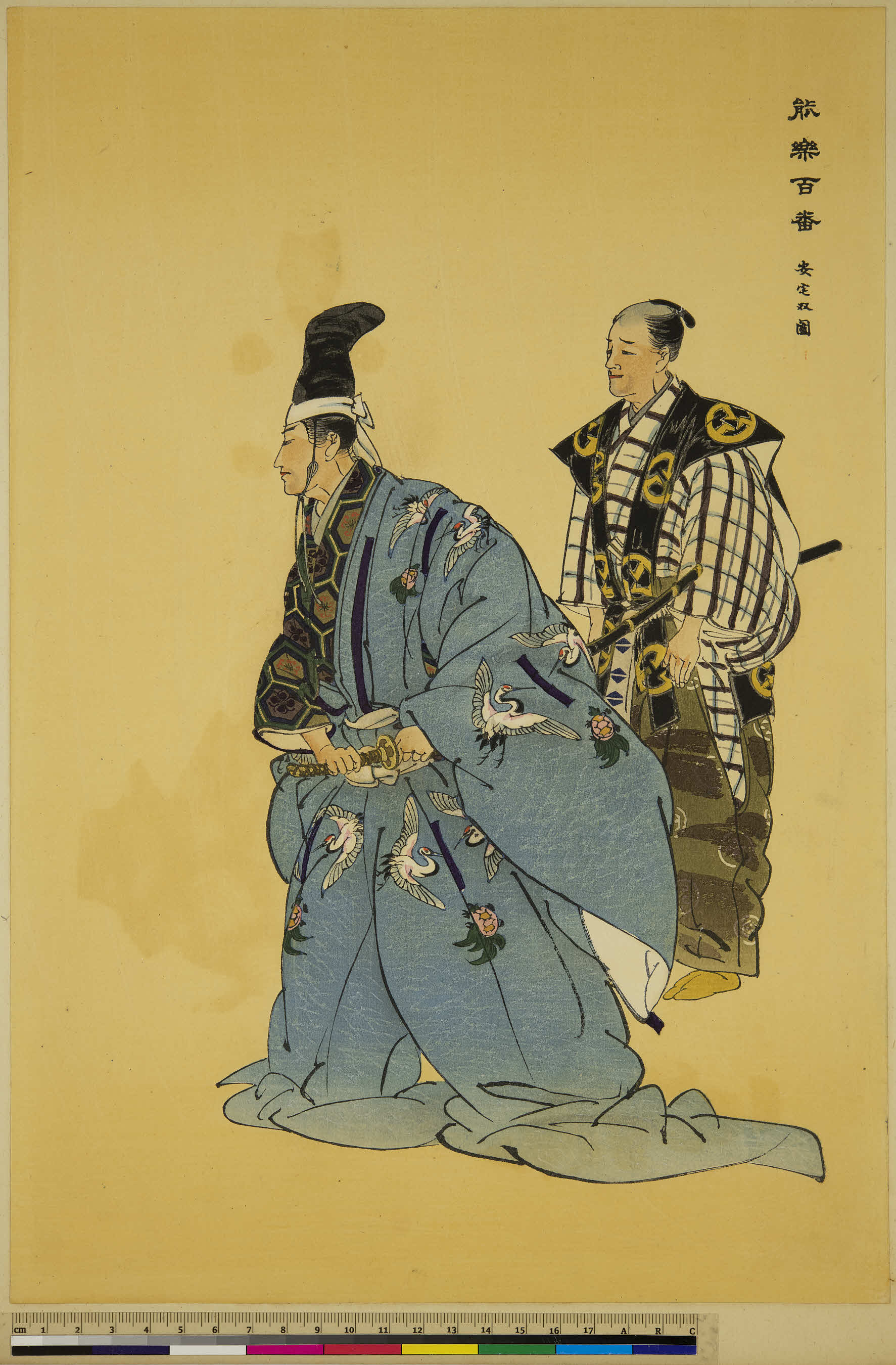
Togashi (富樫)
[Togashi's Vassal]
Togashi no Kashin (富樫の家臣)
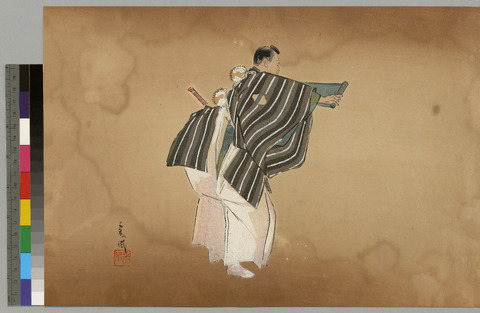
Musashibô Benkei (武蔵坊弁慶)
Play: Ataka (安宅)
Print Date: 01/25/30
Artist: Matsuno Sôfû (松野奏風)
Series: [A Great Mirror of Nô Pictures] Nôga Taikan (能画大鑑), Vol.
1, #37
Image courtesy of the University of Pittsburgh
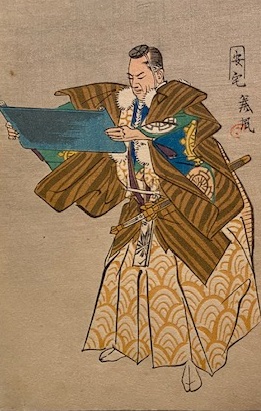
Musashibô Benkei (武蔵坊弁慶)
Play: Ataka (安宅)
Print Date: ?
Artist: Matsuno Sôfû (松野奏風)
Medium: Woodblock printed
postcard
Series: Kabuki-za En'nô
Kinen
(歌舞伎座演能記念)
Personal Collection

Musashibô Benkei (源義経)
Play: Ataka (安宅)
Date: ?
Artist: Terada Akitoyo (寺田秋豊)
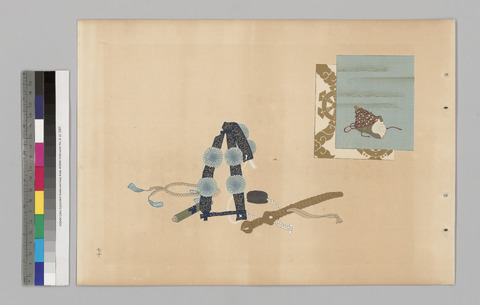
Play: Ataka (安宅)
Print Date: 1924
Artist: Yamaguchi Ryôshû (山口蓼洲)
Series: [List of Noh Play Equipment)] Nôgu Taikan (能具大鑑) #70
Image courtesy of the University of Pittsburgh
Note: Yui-gesa: Buddhist stole for mountain priests. Zukin: Small
black hat for mountain priests.
Kogatana: Small sword. Juzu: Buddhist prayer beads. Makimono:
Kanjinchô, subscription scroll,
documenting donations for temples. Shikishi: Front shikishi
depicts horagai (trumpet shell). Kyôgen-
gata uses it when "Mitate mitsuke" kogaki is performed. Back
shikishi depicts the pattern of hangiri
(hakama) for Shite.
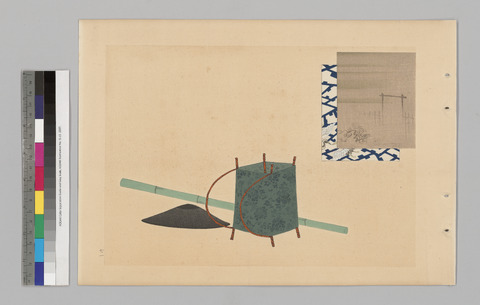
Play: Ataka (安宅)
Print Date: 1924
Artist: Yamaguchi Ryôshû (山口蓼洲)
Series: [List of Noh Play Equipment)]Nôgu Taikan (能具大鑑) #71
Image courtesy of the University of Pittsburgh
Note: Props on this print are all for Kokata, Yoshitsune.
Tsukurimono: Oi, a box that mountain priests
carry on their back to carry items when on pilgrimage. Mochimono:
Aodake, green bamboo shaft.
Otoko gasa: Man's sedge hat. Shikishi: Front shikishi depicts the
scenery of the Ataka Barrier. Back
shikishi depicts the pattern of kimono for Waki, an official of
the Ataka Barrier.